
Smoke Detectors
Smoke detectors are the first line of defense against fires, ensuring safety and regulatory compliance in every project.
What are Smoke Detectors?
Smoke detectors are safety devices designed to identify the presence of smoke in enclosed spaces and provide early warning of a possible fire. They work through sensors that detect combustion particles in the air, emitting audible signals or connecting to a central alarm system to alert of the presence of a possible fire.
There are different types of smoke detectors, such as optical and optical-thermal ones, which combine to detect the presence of a potential fire either through heat detection or smoke particle detection.
Easy Detect smoke detectors can be integrated with fire alarm systems and centralized security solutions, ensuring a quick and effective response to any incident.

BENEFITS AND APPLICATIONS
MAXIMUM SAFETY
Early fire detection with advanced technology that saves lives and protects property 24 hours a day.
QUICK ALERTS
Alarm system integrated with fire panels for immediate evacuation and emergency response.
VERSATILITY
Adaptable to any type of building: hospitals, hospitality, offices, industrial warehouses, and shopping centers.
TECHNICAL INFORMATION
Optical DetectorUses light scattering to detect visible smoke particles.
|
Heat DetectorDetects rapid temperature increases or a fixed maximum temperature.
|
Aspirating DetectionActive systems that analyze sampled air for early detection.
|
CO DetectorSpecialized in detecting carbon monoxide in enclosed spaces.
|
European Standard EN54 All our detectors comply with the European EN54 standard, guaranteeing the highest quality and safety standards.
|
Installation process
|
Preventive Maintenance Regular maintenance ensures optimal operation and service life.
|
USE CASES

HOSPITALS
Smoke detectors in hospitals are essential to protect patients and staff. Their installation ensures early fire detection in operating rooms, corridors, and rooms, integrating with panels to trigger alarms and enable rapid evacuation.

OFFICES
In offices, they ensure compliance with fire safety regulations and protect employees and equipment. These smoke detection systems allow quick and safe evacuation in open spaces, technical rooms, or meeting rooms.
INDUSTRY
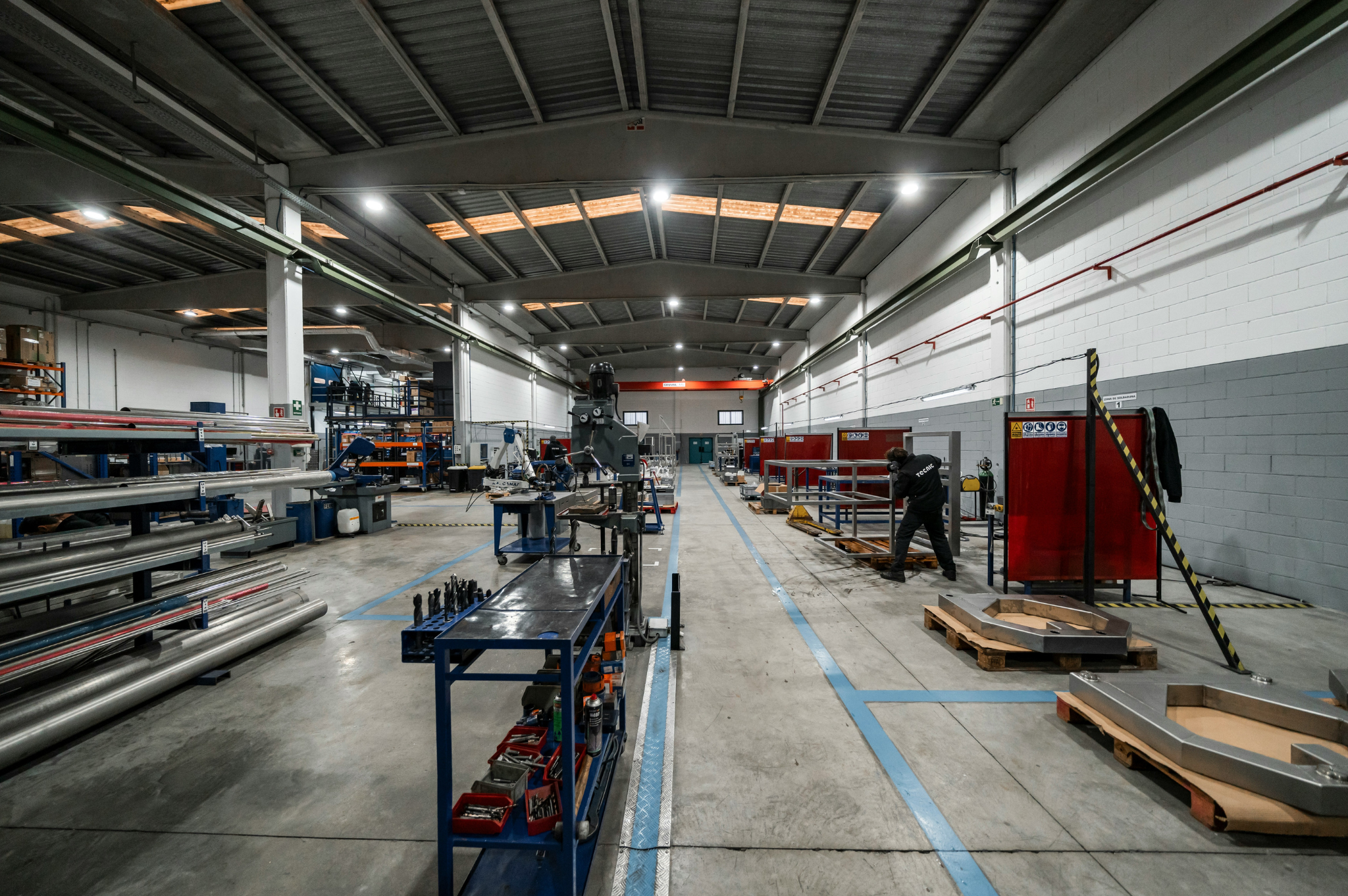
In factories and warehouses, smoke detectors provide maximum sensitivity to identify fires in environments with dust, humidity, or large surfaces. Connected to fire alarm panels, they guarantee continuous protection and reduce production risks.
Smoke Detectors for Reliable Protection
As manufacturers, we offer high-quality products and advanced technology, designed to guarantee maximum safety in any project. Our experts will advise you on the best solution for your installation.
FREQUENTLY ASKED QUESTIONS
What is the difference between optical and ionization detectors?
Optical smoke detectors use a light beam to identify the presence of smoke, being highly effective against slow-burning fires with visible particles. In contrast, ionization smoke detectors detect invisible particles generated by fast, open-flame fires.
Where should smoke detectors be installed?
Smoke detectors should be installed on ceilings or high areas, in corridors, technical rooms, offices, and risk areas. A strategic location allows for early and effective fire detection.
Are smoke detectors required by regulations?
Yes. Fire protection regulations require the installation of smoke detectors in various types of buildings, from hospitals and offices to industries, to ensure the safety of people and property.
What is the difference between conventional and analog smoke detectors?
Conventional smoke detectors alert of a fire in a general area, while addressable detectors identify the exact point of the alarm, allowing for a faster and more accurate response.


